Beijing's ancient hutongs represent one of the city's most authentic cultural treasures, weaving through history like veins carrying stories of dynasties past. These narrow alleyways, formed by lines of traditional courtyard residences known as siheyuan, create a labyrinthine network that stands in stark contrast to the modern skyscrapers just blocks away. For travelers seeking more than just photographs behind glass, experiencing the hutongs through a combination of pedicab tours and traditional homestays offers an immersion into living history that no museum could replicate.
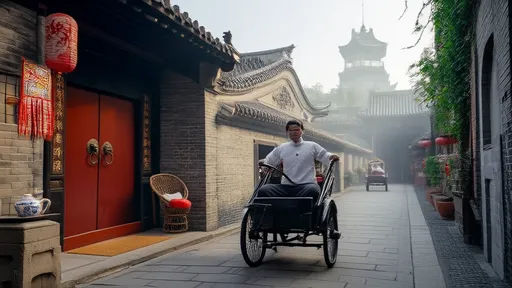
The rhythmic ringing of bicycle bells echoes through winding lanes as brightly decorated pedicabs navigate passages too narrow for cars. These three-wheeled vehicles have become synonymous with hutong exploration, offering both transportation and storytelling in one package. Local drivers, often lifelong residents of these neighborhoods, serve as guides who share personal anecdotes alongside historical facts. They point out architectural details invisible to untrained eyes—the symbolism behind threshold heights, the stories carved into doorframes, and the hidden meanings of rooftop ornaments.
As the pedicab turns a corner, the atmosphere shifts from quiet residential lanes to vibrant community hubs where daily life unfolds in public view. Elderly men play chess at stone tables while smoking hand-rolled cigarettes, their laughter punctuating strategic moves. Women gather near public water pumps washing vegetables and exchanging neighborhood news. The scent of frying jiaozi dumplings mingles with the earthy perfume of aged wood and drying laundry. This is where Beijing reveals its soul—not in majestic palaces but in these unscripted moments of human connection.
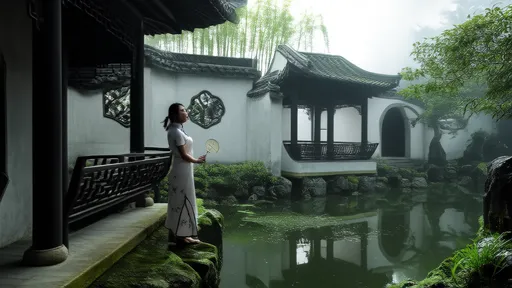
Many pedicab tours include visits to local families who open their courtyard homes to visitors. Stepping through a brightly painted gate reveals another world—a tranquil square courtyard surrounded by single-story buildings, often with a pomegranate tree or grape arbor providing shade. Here, over cups of fragrant jasmine tea, residents share stories of multigenerational living and describe how these spaces adapt to modern life while preserving traditions. You might learn about courtyard cosmology—how northern rooms were reserved for elders due to better sunlight, how the layout reflects Confucian principles of family hierarchy, and how these homes become microclimates cooler in summer and warmer in winter.
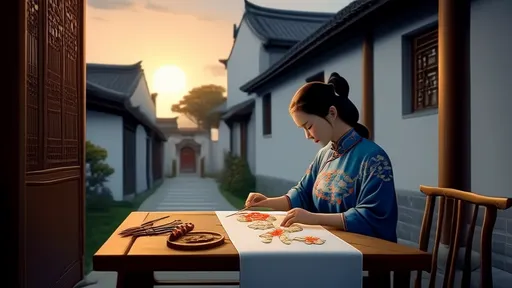
As daylight fades, the experience deepens for those opting to stay in hutong homestays. Traditional siheyuan have been lovingly converted into guesthouses that balance historical authenticity with modern comfort. Thick brick walls mute the city's noise, creating cocoons of tranquility where guests sleep under wooden beams that have witnessed centuries. Waking to the soft cooing of pigeons rather than traffic horns feels like time travel. Many homestays offer breakfasts of warm soy milk, fried dough sticks, and stuffed pancakes prepared by local families—meals that taste of genuine Beijing rather than hotel buffet lines.
The evening brings different magic to the hutongs. As tourist crowds dissipate, the alleyways reclaim their residential character. Strings of red lanterns cast warm glows on gray bricks while the aromas of family dinners drift over walls. This is when staying overnight proves most valuable—witnessing the intimate rhythm of neighborhood life as residents stroll after meals, practice tai chi in cleared spaces, or gather for impromptu erhu performances. The night reveals what daylight obscures: that these are not preserved relics but living communities adapting ancient spaces to contemporary needs.
Beyond the main tourist routes lie lesser-known hutongs where deeper discoveries await. The narrowest lanes, some barely wider than shoulder-span, lead to hidden temples converted into art galleries or quiet tea houses operating for generations. Here you might find craftspeople practicing vanishing arts—makers of traditional kites, calligraphers painting shop signs, or artisans carving seals from soapstone. These encounters happen not through scheduled tours but through curious wandering and the willingness to follow intriguing sounds or smells.
The combination of pedicab tour and homestay creates a complete cultural immersion. The daytime exploration provides context and history while the overnight stay offers emotional connection. Visitors often describe the experience as transformative—not just seeing Beijing but feeling its heartbeat. They leave understanding that hutongs represent more than architecture; they embody a philosophy of community living where shared spaces foster interdependence and where history isn't displayed behind ropes but lived in everyday actions.
Practical considerations enhance the experience. Spring and autumn offer ideal weather for pedicab rides, while winter visits provide stark beauty and fewer crowds despite the cold. Summer brings lush courtyard gardens but requires heat tolerance. Most reputable tour operators work with licensed guides and insured vehicles, though adventurous travelers might prefer negotiating directly with pedicab drivers for more spontaneous routes. Homestays range from basic rooms with shared facilities to luxurious renovated courtyards with private bathrooms—all offering closer connection to local life than standard hotels.
This immersive approach to Beijing's hutongs represents responsible tourism at its best. Pedicab tours provide income to local residents rather than international hotel chains. Homestays support family businesses and encourage preservation of traditional architecture. Visitors gain deeper understanding while their spending directly benefits the community. The experience becomes reciprocal rather than extractive—a meaningful exchange between cultures that honors both past and present.
Ultimately, the magic of hutong exploration lies in its contradictions. It's both timeless and evolving, simultaneously intimate and expansive. The pedicab moves at human rhythm, allowing absorption of details impossible from speeding vehicles. The homestay transforms strangers into temporary neighbors, offering glimpses of lives different yet familiar in their universal rhythms. Together they create not just a tour but a transformation—an understanding that true discovery means not just visiting places but connecting with the people who make them living entities rather than museum exhibits.
For those willing to look beyond obvious landmarks, Beijing's hutongs offer the city's greatest treasure: the enduring human spirit expressed through architectural harmony, community bonds, and adaptive traditions. The combination of guided pedicab exploration and traditional accommodation unlocks these layers in ways that change how we understand not just Beijing but what it means to truly experience a place. This is travel as connection—to history, to community, and to the enduring beauty of everyday life elevated by tradition and shared humanity.

By /Aug 22, 2025

By /Aug 22, 2025

By /Aug 22, 2025

By /Aug 22, 2025
By /Aug 22, 2025
By /Aug 22, 2025
By /Aug 22, 2025
By /Aug 22, 2025
By /Aug 22, 2025
By /Aug 22, 2025

By /Aug 22, 2025

By /Aug 22, 2025

By /Aug 22, 2025

By /Aug 22, 2025

By /Aug 22, 2025
By /Aug 22, 2025

By /Aug 22, 2025

By /Aug 22, 2025

By /Aug 22, 2025

By /Aug 22, 2025