For those drawn to the mysteries beneath the waves, obtaining a scuba diving certification is the essential first step into a world of vibrant coral cities, curious marine life, and profound tranquility. The journey to becoming a certified diver is as much about the location as it is about the training itself. The right environment can transform a standard course into an unforgettable adventure, embedding skills and memories in a way a sterile training pool never could. The choice between domestic haunts and exotic international locales is the first major decision a prospective diver faces, each path offering a distinct flavor of experience.
Domestic diving locations often provide a compelling combination of accessibility, cost-effectiveness, and surprisingly rich underwater environments. For North American divers, the Florida Keys stand as a legendary gateway to the deep. The warm, clear waters of the Atlantic host a spectacular array of life, from gentle manatees to schools of colorful tropical fish. The infrastructure here is unparalleled, with a high density of reputable dive shops affiliated with major agencies like PADI and SSI, ensuring high-quality instruction. The wrecks, such as the famed Spiegel Grove or the US Coast Guard Cutter Duane, offer incredible artificial reefs for open water training dives, making skill development an exciting exploration rather than a mere drill.
Venturing to the West Coast, California's Channel Islands present a dramatically different, yet equally mesmerizing, diving proposition. Often called the "Galapagos of North America," the kelp forests here are towering underwater cathedrals, teeming with life. Encounters with sea lions, bat rays, and myriad species of rockfish are common. The water is colder and visibility can be challenging compared to the tropics, which actually serves as a fantastic training ground. It forges resilient, skilled divers who are comfortable in varied conditions, making any subsequent warm-water dive feel like a breeze. The sense of raw, Pacific wilderness is a powerful draw for those seeking adventure closer to home.
Crossing the northern border, Canada's cold water realms, particularly around British Columbia, offer some of the most unique and rewarding diving on the planet. The nutrient-rich waters support an astonishing biomass and biodiversity. Here, divers are trained amidst gigantic plumose anemones, wolf eels, and octopuses in a landscape that feels otherworldly. The emphasis on proper drysuit training and managing colder environments produces exceptionally competent and safety-conscious divers. While the conditions demand more from a student, the payoff is an unparalleled sense of accomplishment and access to some of the most spectacular temperate diving ecosystems in the world.
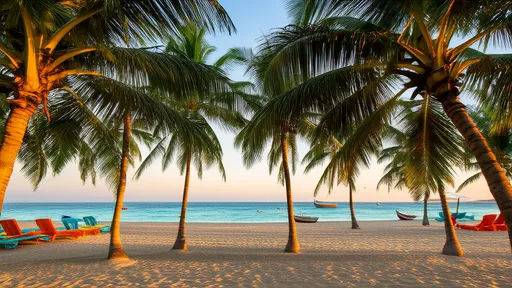
For those whose dreams are painted with a more tropical palette, international destinations provide the iconic backdrop of azure waters and white sand beaches. The Caribbean remains the quintessential choice for a first certification. Islands like Utila in Honduras have built a global reputation as a diver's paradise, not just for its affordability but for its guarantee of whale shark sightings and vibrant reefs. The culture is immersive, built around diving, making it a social and educational experience. The water is consistently warm with outstanding visibility, reducing the physical challenges and allowing students to focus purely on mastering their buoyancy and skills amidst stunning coral formations.
Southeast Asia raises the bar with destinations that are nothing short of legendary. Thailand's islands, such as Koh Tao, are arguably the diving capitals of the world in terms of certification numbers. The industry is streamlined and highly experienced, perfect for those looking to get certified quickly and efficiently without compromising on safety. The coral gardens are beautiful, and the overall vibe is incredibly social. For a more pristine and remote experience, the Philippines offers locations like Moalboal or Coron. Here, sardine run tornadoes and breathtaking World War II wreck dives can be part of your open water curriculum, setting a new standard for what a training dive can be.
Venturing further, the Land Down Under offers what many consider the ultimate diving apprenticeship. The Great Barrier Reef needs no introduction; it is the largest living structure on Earth. Completing your certification here is a pilgrimage. While sections of the reef have faced challenges, its sheer scale means there are vast areas of breathtaking beauty and health. Learning to dive here, surrounded by clownfish, turtles, and Maori wrasse, is a profound privilege. It instills a deep sense of environmental stewardship from the very beginning of one's diving journey. Similarly, the nutrient-rich currents of Fiji's Rainbow Reef provide a dazzling classroom, famous for its soft coral collections and advanced drift diving conditions that prepare divers for anything.
The choice between a domestic or international certification is deeply personal, hinging on budget, time, and the kind of experience one seeks. Domestic spots offer the chance to build foundational skills in sometimes challenging conditions, creating robust and adaptable divers. They are practical, often more affordable when factoring in travel, and allow for easy continuation of the diving hobby locally. The adventures are real and rewarding, set in familiar yet extraordinary landscapes.
International locations, by contrast, offer an all-inclusive escape into a diving-centric lifestyle. They combine the thrill of travel and tropical relaxation with education. The conditions are typically easier for beginners, which can reduce stress and increase enjoyment. The trade-off is the higher overall cost and the time commitment required for international travel. However, the memory of earning your certification on a world-class reef is a story that lasts a lifetime.
Ultimately, the best place to get certified is the place that ignites your passion for the ocean. Whether that is the cool, emerald kelp forests of the Pacific Northwest or the warm, crystalline waters of the Coral Sea, the goal is the same: to become a safe, confident, and respectful diver. The location is simply the beautiful setting for the beginning of a lifelong adventure. The most important step is to choose a reputable operator, regardless of the destination, that prioritizes safety, conservation, and thorough skills development. The world underwater is waiting, and your ticket is a certification card earned in waters you will never forget.

By /Aug 22, 2025
By /Aug 22, 2025
By /Aug 22, 2025

By /Aug 22, 2025
By /Aug 22, 2025

By /Aug 22, 2025

By /Aug 22, 2025

By /Aug 22, 2025

By /Aug 22, 2025

By /Aug 22, 2025

By /Aug 22, 2025
By /Aug 22, 2025
By /Aug 22, 2025

By /Aug 22, 2025

By /Aug 22, 2025

By /Aug 22, 2025

By /Aug 22, 2025

By /Aug 22, 2025

By /Aug 22, 2025

By /Aug 22, 2025