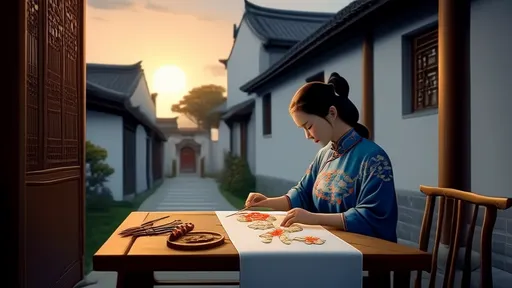
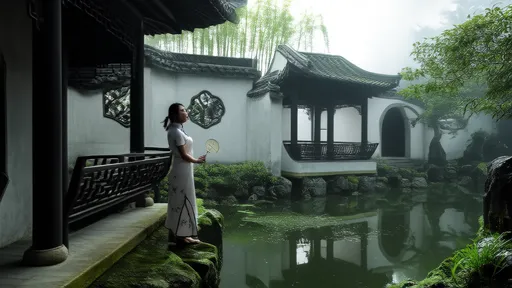
As the sun rises over the ancient city of Suzhou, the gentle clinking of porcelain teacups and the rhythmic tapping of bamboo against silk can be heard from a small courtyard workshop. Here, a master artisan guides visitors through the delicate process of Suzhou embroidery, where silk threads finer than human hair are transformed into breathtaking landscapes and floral motifs. This immersive encounter represents just one thread in the rich tapestry of traditional craft experiences now available across China, where centuries-old techniques are being preserved through hands-on participation rather than mere observation.
The resurgence of interest in intangible cultural heritage has created unprecedented opportunities for both domestic and international travelers to engage with China's living traditions. From the misty mountains of Guizhou where indigo-dyed fabrics hang like captured pieces of sky, to the dusty pottery workshops of Jingdezhen where emperors once commissioned their finest porcelain, these experiences offer more than just souvenir-making sessions. They provide profound connections to cultural identity, philosophical understandings of materiality, and perhaps most importantly, human relationships that transcend language barriers through shared creative endeavor.
In the water towns of Zhejiang province, visitors can participate in the ancient art of blue calico printing, using handmade stencils and natural indigo dyes to create patterns that have adorned household textiles for generations. The process begins with selecting the perfect soybean paste mixture for resistance printing, followed by careful dipping in the indigo vat where oxidation magic occurs—watching white patterns emerge from deep blue never fails to elicit gasps of wonder. These workshops often take place in centuries-old dye houses where the stone vessels bear the permanent stain of countless batches, and the air carries the earthy scent of fermentation that has perfumed these spaces since the Ming Dynasty.
Travelers seeking more tactile experiences might journey to the bamboo forests of Anhui, where master craftsmen teach the art of bamboo weaving. Under their guidance, participants learn to split bamboo into strips thinner than paper, then weave them into intricate patterns that form everything from picnic baskets to architectural installations. The workshop environment feels particularly sacred here, as the rustling of bamboo leaves overhead provides natural accompaniment to the soft scraping of knives preparing the material. Many visitors describe the experience as meditative, finding unexpected parallels between the flexibility and resilience of bamboo and philosophical principles they've encountered in Chinese classics.
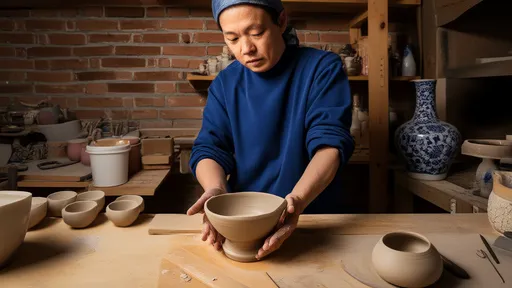
For those drawn to the transformative power of fire, the ceramic kilns of Jingdezhen offer life-changing experiences with clay. Participants don't simply throw pots on wheels—they engage with the entire ceramic process from digging local clay to designing underglaze patterns, and finally witnessing their creations emerge from wood-fired kilns after anxious overnight vigils. The moment of unpacking the kiln becomes communal theater, with gasps of delight echoing through the studio as pieces reveal their final colors—celadon greens bleeding into crackled glazes, copper reds flashing like captured sunsets, and the occasional happy accident creating unique effects that even masters can't replicate.
Paper cutting workshops across Shaanxi province provide surprisingly profound experiences with simple materials. Using just red paper and scissors, masters demonstrate how to create intricate silhouettes that tell stories from Chinese mythology and daily village life. The true magic happens when participants realize these aren't mere decorations—they're visual language encoding blessings for marriages, celebrations for newborns, and protections for households. The concentration required creates a silent, almost sacred space where the only sounds are the snipping of scissors and occasional satisfied sighs when a particularly difficult cut is completed successfully.
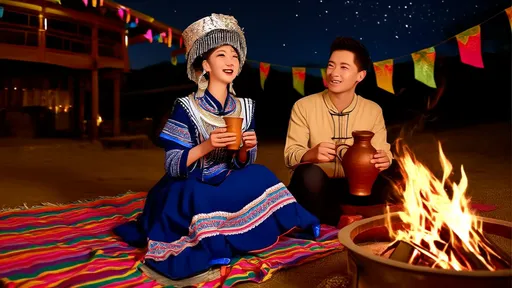
In the tropical south of Yunnan, ethnic minority communities welcome visitors to participate in their textile traditions. The Dai people's slow cloth movement teaches natural dyeing using plants foraged from the rainforest—turmeric yellows, betel nut reds, and leaf greens that change hue with the seasons. Meanwhile, the Bai people's tie-dye techniques using natural indigo create patterns that resemble cracked ice, with each piece requiring multiple dips and oxidations over several days. These extended processes naturally encourage deeper conversations between visitors and host families, often resulting in cultural exchanges that continue long after the textiles have been packed in suitcases.
The martial arts province of Henan offers unique craft experiences centered on ritual and performance. Here, visitors can learn the paper-making techniques used for traditional spirit money, understanding the cultural significance behind these ceremonial objects rather than dismissing them as superstition. Others might try their hand at making ceremonial masks for Nuo opera, painting mythological characters with pigments ground from minerals and plants according to formulas recorded in ancient texts. These experiences frequently conclude with participants wearing their creations in improvised performances, bringing the artifacts to life in ways that static museum displays never could.
Urban centers have developed their own distinctive craft experiences that bridge historical traditions with contemporary design. Shanghai's converted factory spaces host workshops where traditional bookbinding meets modern graphic design, creating hybrid objects that honor the past while speaking to present aesthetic sensibilities. Beijing's hutong workshops teach cloisonné enamel work alongside coffee tasting, creating interesting dialogues between Chinese and European craft traditions. These urban experiences particularly appeal to younger generations who might find remote village workshops inaccessible, effectively functioning as gateway experiences to deeper cultural engagement.
What makes these hands-on encounters truly transformative isn't merely the acquisition of technical skills, but the way they facilitate cross-cultural understanding through shared humanity. The frustration of a failed pottery piece, the triumphant moment of completing a complex embroidery pattern, the collective wonder watching natural dyes change color—these universal emotional experiences create bonds that transcend cultural differences. Participants leave not just with handmade souvenirs, but with altered perspectives on patience, perfectionism, and what it means to create something meaningful in an increasingly disposable world.
The growing network of craft experiences represents a significant shift in cultural preservation methodology. Rather than treating traditions as museum artifacts to be protected behind glass, these programs recognize that living traditions must evolve through practice and adaptation. Many workshops now encourage participants to incorporate personal elements into their designs—a departure from strict replication that some purists initially resisted, but which has ultimately strengthened these traditions by making them relevant to contemporary lives. This delicate balance between preservation and innovation becomes the real lesson transmitted through every hands-on session.
As sunset descends on that Suzhou courtyard, visitors examine their embroidered pieces—imperfect but deeply personal creations that contain within their stitches not just silk thread, but memories of concentration, laughter with fellow participants, and the patient guidance of masters who've dedicated their lives to perfection. They leave understanding that these crafts aren't merely technical processes but manifestations of cultural values—the emphasis on subtlety in embroidery, the respect for natural materials in dyeing, the balance of strength and flexibility in bamboo work. These embodied understandings, gained through fingertips rather than textbooks, may represent the most powerful form of cultural exchange possible in our increasingly digital world.

By /Aug 22, 2025

By /Aug 22, 2025

By /Aug 22, 2025

By /Aug 22, 2025
By /Aug 22, 2025
By /Aug 22, 2025
By /Aug 22, 2025
By /Aug 22, 2025
By /Aug 22, 2025
By /Aug 22, 2025

By /Aug 22, 2025

By /Aug 22, 2025

By /Aug 22, 2025

By /Aug 22, 2025

By /Aug 22, 2025
By /Aug 22, 2025

By /Aug 22, 2025
By /Aug 22, 2025

By /Aug 22, 2025

By /Aug 22, 2025
