As the world slowly reopens and travelers seek more profound, authentic experiences, the allure of participating in traditional ethnic minority festivals has never been stronger. These celebrations are not mere spectacles for tourists; they are living, breathing expressions of centuries-old cultures, beliefs, and communal bonds. For the discerning traveler of 2024, immersing oneself in these events offers a rare glimpse into the soul of a people, far removed from the homogenized touch of globalization. The raw energy, the vibrant colors, the hypnotic music, and the profound spiritual significance create memories that linger long after the journey ends.
One of the most spectacular events to mark on your 2024 calendar is the Water-Splashing Festival of the Dai people, primarily celebrated in China's Yunnan Province. Occurring in mid-April, this festival coincides with the Dai New Year and is a breathtaking display of joy and purification. The streets transform into a watery playground where everyone, local and visitor alike, is fair game for a dousing. But to see it merely as a giant water fight is to miss its deeper meaning. The water symbolizes the washing away of the previous year's misfortunes and sins, cleansing the community for a prosperous and pure new year. The days are filled with dragon boat races on the Lancang River, the evenings with mesmerizing lantern releases into the night sky, and the air is perpetually filled with the rhythmic beats of the elephant-foot drum. To participate is to be welcomed into a collective catharsis, a shared hope for renewal that is both exhilarating and deeply moving.
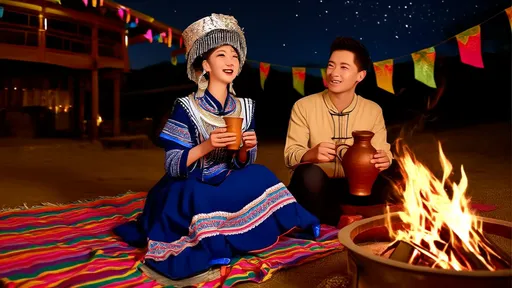
Venturing into the highlands of Guizhou and Guangxi, the Lusheng Festival of the Miao people presents a completely different but equally captivating sensory experience. Typically held after the autumn harvest, the festival is a vibrant tribute to music, dance, and courtship. The namesake lusheng, a traditional reed-pipe wind instrument, provides the relentless, pulsating soundtrack for the event. Dozens, sometimes hundreds, of musicians play in unison, their music echoing through the mountain valleys. Young Miao women, adorned in stunning, intricately embroidered silver-heavy costumes that can weigh over ten kilograms, perform graceful dances that tell stories of their history and myths. For visitors, it is an overwhelming spectacle of sound and color. More importantly, it's a chance to witness the social heartbeat of the Miao community, where young people meet and relationships are forged under the joyful pretext of festival celebration.
For those drawn to more mystical and ancient traditions, the Torch Festival of the Yi ethnic group, held around the 24th day of the sixth lunar month (late July or August), is an unmissable fiery spectacle. Rooted in legends of driving away pests and evil spirits to ensure a good harvest, the festival turns the night into day. Villagers carry giant torches through their fields and homes before gathering in a central square to erect a giant torch tower. The climax involves traditional wrestling matches, horse races, and bullfights, all illuminated by the roaring flames. The atmosphere is primal and electric, charged with a sense of communal protection and reverence for the forces of nature. Participating in the circling of the flames, feeling the intense heat on your skin, and watching the sparks fly into the starry sky is a powerfully visceral experience that connects you to some of humanity's most ancient rituals.
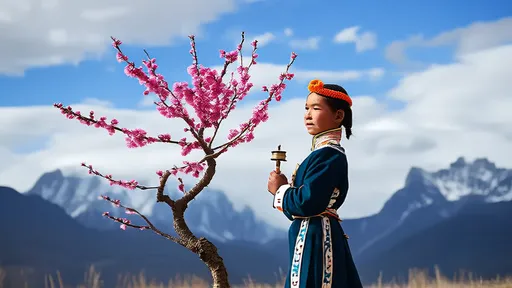
Further west, on the vast Tibetan Plateau, the Saga Dawa Festival offers a profoundly spiritual contrast. Observed on the full moon of the fourth Tibetan month (usually in May or June), it commemorates the birth, enlightenment, and parinirvana of Buddha. While not exclusive to minorities, its observance in Tibetan communities is particularly profound. The air is thick with piety as thousands of pilgrims circumambulate sacred sites like Mount Kailash, prostrating themselves along the way. Butter lamps flicker endlessly, scriptures are chanted, and acts of kindness, like freeing captive animals, are performed. For a visitor, it is not a festival of raucous celebration but one of quiet contemplation and observation. It is a window into a world where faith dictates the rhythm of life, offering a powerful opportunity for personal reflection and a deeper understanding of Tibetan Buddhist culture.
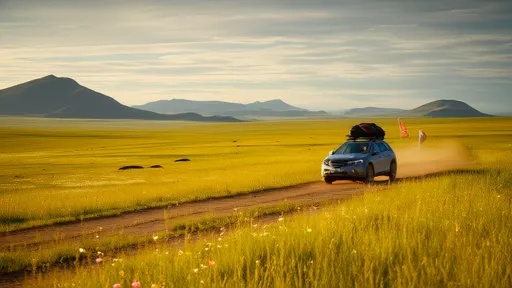
Finally, the Nadam Fair of the Mongolian people bursts onto the grasslands in July and August with a dynamic display of strength and skill. This festival is the embodiment of the nomadic spirit, centered around the "three manly games": wrestling, horse racing, and archery. The scene is one of incredible energy and pride. Powerful wrestlers in traditional leather jackets grapple under the open sky, young jockeys race across the endless steppe, and archers in bright deels take aim with focused precision. Beyond the competitions, the fair is a social hub where families reunite, trade is conducted, and feasts are shared, with the unmistakable sound of horse-head fiddles and throat singing providing the soundtrack. Attending a Nadam Fair is to feel the boundless freedom and fierce pride of Mongolian culture, an exhilarating celebration of heritage on one of the world's last great frontiers.
Planning your pilgrimage to these festivals requires more than just booking a flight. True immersion demands respect and preparation. Research the cultural norms and dress modestly. Always ask for permission before taking photographs, especially of people. Learn a few basic phrases in the local language; a simple "thank you" goes a very long way. Consider traveling with a local guide or a tour operator that specializes in ethical cultural tourism; they can facilitate deeper, more respectful interactions and ensure your visit benefits the local community. Remember, you are a guest in a living culture, not a visitor to a museum exhibit. The goal is to observe, learn, and participate when invited, without altering the authentic nature of the event.
In 2024, move beyond the standard tourist trail. Seek out these profound cultural experiences. Let the splash of holy water, the drone of the lusheng, the heat of the torch, the silence of a pilgrimage, and the thunder of hooves on the prairie remind you of the beautiful diversity of human expression. These festivals are more than just dates on a calendar; they are invitations to connect, understand, and celebrate the rich tapestry of our world's ethnic heritage.

By /Aug 22, 2025
By /Aug 22, 2025
By /Aug 22, 2025
By /Aug 22, 2025
By /Aug 22, 2025
By /Aug 22, 2025
By /Aug 22, 2025
By /Aug 22, 2025
By /Aug 22, 2025
By /Aug 22, 2025

By /Aug 22, 2025

By /Aug 22, 2025

By /Aug 22, 2025

By /Aug 22, 2025

By /Aug 22, 2025

By /Aug 22, 2025

By /Aug 22, 2025

By /Aug 22, 2025
By /Aug 22, 2025

By /Aug 22, 2025
