The Deification of Cats in Ancient Civilizations: From Egypt to Japan

Aug 25, 2025 By

Throughout the annals of human civilization, few animals have captured the human imagination and reverence quite like the cat. From the sun-baked banks of the Nile to the misty islands of Japan, the feline form has been intricately woven into the spiritual and cultural fabric of societies, often ascending from mere companion to a divine entity. This journey of deification reveals a fascinating tapestry of beliefs, where the cat’s enigmatic nature—its grace, its mystery, its duality of affectionate companion and fierce hunter—resonated deeply with humanity’s search for meaning in the natural world.


In ancient Egypt, the cat’s ascent to divinity was perhaps the most profound and well-documented. The goddess Bastet, often depicted as a lioness or a woman with the head of a domestic cat, became one of the most beloved and influential deities in the Egyptian pantheon. Originally a fierce lioness warrior goddess akin to Sekhmet, her persona softened over time into a protector of the home, of women, children, and domesticity, all while retaining her association with fertility, music, and dance. This transformation mirrored the Egyptians' own relationship with cats, who were valued not as pets in the modern sense, but as vital protectors of granaries from snakes and rodents, thus safeguarding the kingdom’s food supply. To harm a cat, even accidentally, was a crime punishable by death. Upon their death, cats were often mummified with great ceremony, their bodies presented as offerings to Bastet, hoping to secure her favor. The city of Bubastis became a center of her cult, drawing thousands of pilgrims annually for joyous festivals filled with music, dancing, and celebration. The Egyptian cat was not merely an animal; it was a divine guardian, a tangible link to a goddess who embodied both protective fury and nurturing comfort.


Far to the east, in Japan, the cat’s path to veneration took a different, more folklore-rich route. Unlike the outright deity status in Egypt, the cat in Japanese culture became a powerful spiritual figure through myth and legend, most famously embodied by the maneki-neko, or the beckoning cat. This iconic figurine, believed to bring good luck and fortune to its owner, has its roots in numerous tales. One popular story tells of a samurai lord taking shelter under a tree near a impoverished temple. He noticed the temple’s cat seemingly beckoning him with a raised paw. Curious, he approached, and moments later a lightning bolt struck the very tree he had been standing under. Grateful for his salvation, the lord became the temple’s patron, bringing it wealth and prosperity, and the cat was venerated thereafter.


Beyond this benevolent symbol, Japanese folklore also presents more complex and powerful feline spirits. The bakeneko and the nekomata are yōkai (supernatural spirits) that ordinary cats could transform into after living for many years or growing exceptionally large. These creatures were not merely pets; they were shapeshifters capable of speech, walking on their hind legs, and even manipulating the dead. They could be malicious tricksters or loyal protectors of the households they lived in, representing a deep-seated belief in the latent supernatural power residing within the familiar domestic cat.


While Egypt and Japan offer two of the most striking examples, the sanctification of the cat was a phenomenon with intriguing parallels in other ancient cultures. In Norse mythology, the goddess Freyja, a deity of love, beauty, and fertility, was said to ride a chariot pulled by two large cats. This association tied the feline to concepts of strength, independence, and feminine power. Similarly, in some regions of ancient China, cats were seen as guardians against evil spirits, though their status fluctuated greatly through different dynasties. Even in civilizations where they were not outright worshipped, cats were often viewed with a sense of awe and superstition, their piercing eyes and nocturnal habits marking them as creatures with one paw in the mortal world and the other in the realm of the unseen.


The enduring legacy of the cat’s divine status is a testament to its unique place alongside humanity. It was never a beast of burden like the ox nor a mere food source like the chicken. The cat chose its association with humans, and ancient civilizations recognized this voluntary partnership as something special, something otherworldly. The independent spirit, the effortless grace, the lethal precision hidden within a soft exterior—these traits were interpreted not as simple animal instinct but as evidence of a deeper, celestial connection. From the grand temples of Bubastis to the quiet homes guarded by a maneki-neko, the cat was, and for many still is, more than an animal. It is a living reminder of mystery, a beloved guardian, and a timeless symbol of the sacred hiding in plain sight.


Recommend Posts
Animal

Animal Rights Movement: From Vegetarianism to Legislative Protection

By /Aug 25, 2025

The animal rights movement represents one of the most profound ethical awakenings of our time, evolving from a fringe philosophical position into a global force reshaping diets, industries, and laws. What began as a call for individual dietary change has matured into a complex, multi-faceted campaign seeking nothing less than a fundamental reordering of humanity's relationship with other sentient beings.
Animal

Pet Cloning Technology: Scientific Breakthrough or Ethical Crisis?

By /Aug 25, 2025

In a quiet laboratory in South Korea, a beagle puppy takes its first clumsy steps. To the casual observer, it appears like any other newborn dog—playful, curious, and utterly endearing. Yet this puppy represents something far more profound: it is the genetic duplicate of a beloved pet that passed away years earlier. This is the reality of pet cloning, a technology that has evolved from science fiction to commercially available service in just over two decades. As companies around the world now offer the chance to replicate a cherished animal companion for prices ranging from $50,000 to $100,000, society finds itself grappling with a complex web of scientific achievement, emotional longing, and ethical unease.
Animal

How Human Activities Alter the Evolutionary Direction of Animals?

By /Aug 25, 2025

In the quiet forests of North America, a subtle but profound transformation is underway. The peppered moth, once predominantly light-colored to blend with lichen-covered trees, now wears sooty wings that mirror the industrial grime coating urban bark. This iconic example, documented since the 19th century, represents just the tip of the iceberg in how human activities are fundamentally redirecting the evolutionary pathways of countless species. We are not merely altering habitats; we are becoming architects of evolution itself, often in ways we are only beginning to comprehend.
Animal

Animal Prophetic Abilities? Scientific Explanations for Unusual Behavior Before Earthquakes

By /Aug 25, 2025

For centuries, people across different cultures have shared anecdotes about animals behaving strangely before natural disasters, particularly earthquakes. From dogs barking incessantly to birds fleeing their nests hours before the ground shakes, these accounts have often been dismissed as folklore or coincidence. However, in recent decades, the scientific community has begun to take these observations more seriously, investigating whether there is a biological basis for what appears to be a premonitory ability in the animal kingdom.
Animal

The Deification of Cats in Ancient Civilizations: From Egypt to Japan

By /Aug 25, 2025

Throughout the annals of human civilization, few animals have captured the human imagination and reverence quite like the cat. From the sun-baked banks of the Nile to the misty islands of Japan, the feline form has been intricately woven into the spiritual and cultural fabric of societies, often ascending from mere companion to a divine entity. This journey of deification reveals a fascinating tapestry of beliefs, where the cat’s enigmatic nature—its grace, its mystery, its duality of affectionate companion and fierce hunter—resonated deeply with humanity’s search for meaning in the natural world.
Animal

The Selection and Training of Guide Dogs: Reasons for a 70% Elimination Rate

By /Aug 25, 2025

The journey of a guide dog from playful puppy to steadfast companion represents one of the most rigorous selection and training processes in the animal world. Behind the calm, capable exterior of a fully trained guide dog lies a story of intense scrutiny, specialized education, and, for the majority of candidates, eventual rejection. It is a system built not on sentiment, but on an uncompromising standard of excellence, where the safety and independence of a blind or visually impaired handler depend entirely on the dog's capabilities. The stark statistic that up to 70% of dogs who enter training programs do not graduate is not a mark of failure, but rather a testament to the incredibly specific and demanding nature of the role these animals are asked to fill.
Animal

The Dark Side of Wildlife Tourism: Behind Riding Elephants and Touching Tigers

By /Aug 25, 2025

In the lush landscapes of Southeast Asia and beyond, the allure of wildlife tourism draws millions of travelers each year, promising intimate encounters with majestic creatures like elephants and tigers. Yet behind the glossy brochures and social media snapshots lies a darker reality—one where animal welfare is often sacrificed for profit and entertainment. The seemingly harmless activities of riding elephants or petting tigers mask a cycle of exploitation and suffering that many tourists remain unaware of as they seek unforgettable experiences.
Animal

Laboratory Animal Ethics: Can Alternative Techniques Reduce Animal Testing?

By /Aug 25, 2025

The question of whether alternative technologies can reduce animal testing is not merely a scientific inquiry but an ethical imperative that has gained significant traction in recent decades. As public awareness grows and technological capabilities expand, the laboratory landscape is undergoing a profound transformation. The core principle of the 3Rs—Replacement, Reduction, and Refinement—has provided a robust ethical framework, pushing the scientific community to seek innovative paths that minimize animal suffering. This movement is driven by a confluence of ethical concerns, regulatory pressures, and the undeniable fact that in many cases, non-animal methods are simply better science.
Animal

Animal-Assisted Therapy: How Do Horses, Dolphins, and Dogs Help Children with Autism?

By /Aug 25, 2025

In recent years, animal-assisted therapy has emerged as a complementary approach to supporting children with autism spectrum disorder. Among the various animals utilized in such interventions, horses, dolphins, and dogs have garnered significant attention for their unique abilities to foster connection, communication, and emotional growth in autistic children. These animals, each with distinct characteristics and therapeutic mechanisms, offer multifaceted benefits that extend beyond conventional therapies, providing a bridge to the world for children who often struggle with social interaction and sensory processing.
Animal

How Did Dogs Evolve from Wolves into Pets? Genetics and Domestication History

By /Aug 25, 2025

The journey of the domestic dog from its wild wolf ancestors is one of the most fascinating narratives in the history of animal domestication. This transformation, spanning tens of thousands of years, was not a deliberate human endeavor but rather a complex interplay of mutual benefit, genetic adaptation, and co-evolution. The story is written not only in archaeological remains but deeply embedded in the very DNA of modern dogs, revealing a shared past that continues to shape our present relationship with humanity's oldest friend.
Animal

Should Stray Animals Be Fed? Controversy Over Scientific Management"

By /Aug 25, 2025

The debate surrounding the feeding of stray animals is one that continues to divide communities, animal welfare advocates, and municipal authorities worldwide. On one hand, there is a deeply ingrained human impulse to alleviate the suffering of homeless cats and dogs scrounging for food in urban and suburban environments. On the other, there are significant public health, ecological, and animal welfare concerns that arise from well-intentioned but unmanaged feeding practices. This issue sits at the complex intersection of compassion, science, and civic responsibility, making it far from a simple binary choice.
Animal

African Rhino Defense: Armed Rangers vs. Poachers

By /Aug 25, 2025

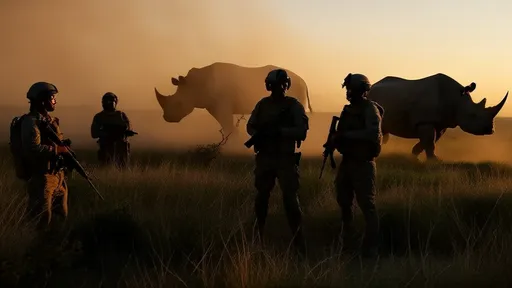
In the vast, sun-scorched landscapes of Africa, a brutal and relentless war is being waged. It is not a conflict between nations or ideologies, but a desperate fight for survival. On one side are the poachers, armed with high-caliber rifles, night-vision goggles, and a ruthless determination fueled by the immense profits of the illegal wildlife trade. On the other are the guardians, a dedicated and increasingly militarized force of rangers who stand as the last line of defense for one of the continent's most iconic and endangered creatures: the rhinoceros.
Animal

How Climate Change Starves Polar Bears? The Chain Reaction of Vanishing Sea Ice

By /Aug 25, 2025

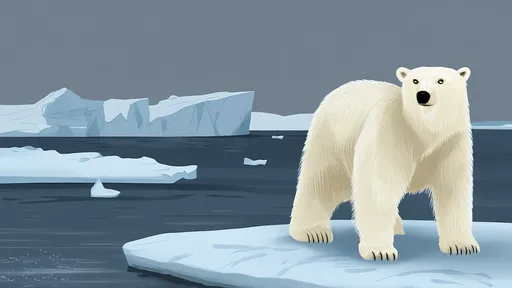
The Arctic is unraveling before our eyes, and at the heart of this disintegration is a story of profound loss, embodied by its most iconic inhabitant: the polar bear. For centuries, these majestic predators have ruled the frozen seas, supremely adapted to a life of hunting seals from the platform of sea ice. But the foundation of their world is literally melting beneath their feet. The intricate and brutal logic of the Arctic food web is being undone, leading polar bears down a path of starvation—a direct and harrowing consequence of the climate crisis.
Animal

Habitat Fragmentation of Asian Elephants: The Root of Human-Elephant Conflicts

By /Aug 25, 2025

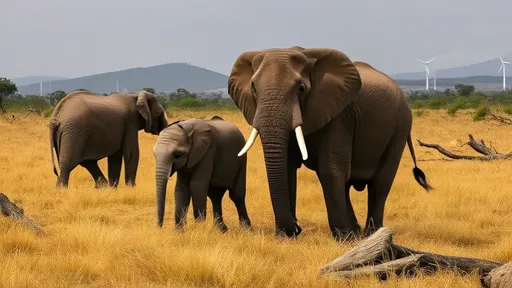
In the dense tropical forests and grasslands of Asia, a silent crisis is unfolding, one that pits humanity against one of the continent's most iconic species: the Asian elephant. At the heart of this escalating conflict lies the relentless fragmentation of their ancestral habitats, a process driven by human expansion and development. As forests are cleared for agriculture, infrastructure projects carve up the landscape, and settlements encroach ever deeper into wild spaces, elephants find themselves hemmed into shrinking pockets of land, unable to follow the ancient migratory routes that once sustained their populations. This fragmentation is not merely an environmental issue; it is the primary driver of the increasingly frequent and often deadly encounters between humans and elephants.
Animal

Microplastics Entering the Marine Food Chain: From Plankton to Whales

By /Aug 25, 2025

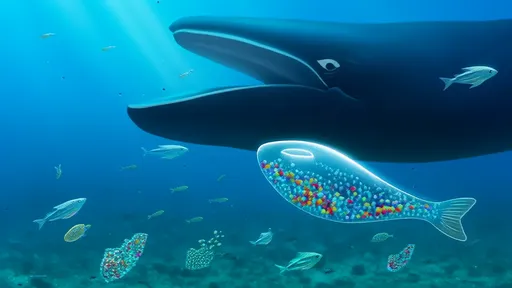
In the vast expanse of our oceans, a silent and pervasive crisis is unfolding—one that begins at the microscopic level and escalates through the entire marine food web. Plastic microdebris, fragments smaller than five millimeters, has infiltrated even the most remote aquatic environments, presenting a complex ecological threat. These particles originate from a variety of sources, including the breakdown of larger plastic waste, microbeads from personal care products, and synthetic fibers from washing clothes. Their small size and persistence make them particularly insidious, as they are easily ingested by the smallest marine organisms, setting the stage for a chain reaction of contamination that reaches the largest creatures in the sea.
Animal

Bees in the City: The Impact of Urbanization on Pollinators

By /Aug 25, 2025

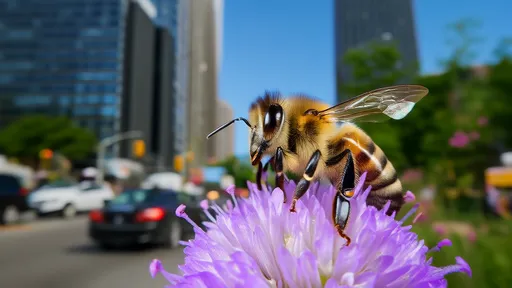
In the heart of our bustling cities, a quiet but vital transformation is unfolding. Amidst the concrete and glass, an unexpected ally has emerged: the urban bee. Once symbols of pastoral countryside life, bees and other pollinators are increasingly adapting to metropolitan environments, revealing a complex narrative of resilience, challenge, and coexistence. As green roofs, community gardens, and parklands dot the urban landscape, these insects are not merely surviving—they are forging new ecological roles, prompting scientists and citizens alike to reconsider what it means to be a city dweller.
Animal

The Extinction of the North American Passenger Pigeon: How Did a Species Vanish from 5 Billion to Zero?

By /Aug 25, 2025

The story of the passenger pigeon is one of the most staggering tragedies in natural history. A species that once darkened the skies of North America with its immense, undulating flocks, numbering in the billions, was utterly erased from existence in a breathtakingly short span of time. Its journey from unparalleled abundance to absolute zero is a profound and sobering lesson about humanity's relationship with the natural world, a cautionary tale of exploitation, misconception, and irreversible loss.
Animal

Endangered Pangolins: Illegal Trade and Conservation Challenges"

By /Aug 25, 2025

In the shadowy corners of global wildlife trafficking, the pangolin has become an unwitting symbol of both ecological fragility and human greed. These gentle, scale-covered mammals, often described as walking artichokes, are being systematically erased from their native habitats across Africa and Asia to feed an insatiable demand for their scales and meat. Despite international protections and growing conservation efforts, the pangolin now holds the grim title of the world’s most trafficked mammal, a status that underscores the profound challenges in combating illegal wildlife trade.
Animal

How the Disappearance of Anteaters Affects the Entire Ecosystem?

By /Aug 25, 2025

The silent vanishing of anteaters from their native habitats echoes through the forests and grasslands of Central and South America like a fading whisper. These peculiar creatures, with their elongated snouts and bushy tails, might seem like evolutionary oddities at first glance, yet their role in the intricate web of life is profound and irreplaceable. Their disappearance, driven by the relentless forces of habitat fragmentation, road mortality, and the illegal pet trade, is not merely the loss of a single species. It is the unraveling of a thread in the ecological tapestry, one that threatens the stability and health of the entire ecosystems they once called home.
Animal

Coral Symbiotic System: How Do Zooxanthellae Provide Energy for Corals?

By /Aug 25, 2025

The intricate dance of survival beneath the ocean's surface reveals one of nature's most fascinating partnerships: the symbiotic relationship between corals and their microscopic algal partners, zooxanthellae. This alliance, forged over millennia, serves as the bedrock of vibrant coral reef ecosystems that dot tropical seascapes. At the heart of this collaboration lies a remarkable energy exchange, wherein these tiny algae become the primary power source for their coral hosts. Understanding how zooxanthellae fuel corals not only unravels a biological marvel but also underscores the fragility of an ecosystem threatened by environmental change.